
Embryo Freezing
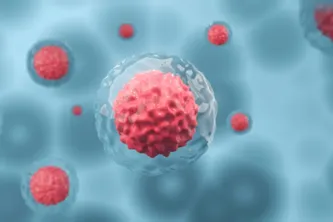
Embryo freezing, also known as embryo cryopreservation, is a method of preserving fertilized embryos by freezing them at extremely low temperatures in liquid nitrogen to be used for future use. This is often a part of the in vitro fertilization (IVF) process, allowing surplus high-quality embryos to be stored for later transfer if the initial cycle is unsuccessful, or for future family planning.
Embryos are created by fertilizing eggs with sperm in a lab. After being cultured for a few days, the best quality embryos are selected for freezing.
A cryoprotective agent (antifreeze) is added to the embryos to protect their cells. The embryos are placed in a highly concentrated solution and are frozen almost instantly. Or the other method involves slowly cooling the embryos in stages. The frozen embryos are stored in tanks of liquid nitrogen at low temperatures.
The process involves
➔Medication
Oral medications the first step, followed by injectables if needed. This medication stimulates the hormones that trigger the development of eggs.
➔Monitoring
Ultrasounds and blood tests help track the growth of the follicles in the ovaries.
➔Trigger shot
On maturity of the follicle, a human chorionic gonadotropin injection is often given to trigger the final maturation and release of the egg(s).
➔Timing
Intercourse or an IUI is then timed around the time of ovulation to increase the chances of conception.
➔Medication
Oral medications the first step, followed by injectables if needed. This medication stimulates the hormones that trigger the development of eggs.
➔Monitoring
Ultrasounds and blood tests help track the growth of the follicles in the ovaries.
➔Trigger shot
On maturity of the follicle, a human chorionic gonadotropin injection is often given to trigger the final maturation and release of the egg(s).
➔Timing
Intercourse or an IUI is then timed around the time of ovulation to increase the chances of conception.
Why Embryo freezing?
➔Flexibility in family planning: It allows individuals to have children later in life, thus provide flexibility in family planning, while still using their younger and healthier eggs.
➔Medical reasons: In certain cases, it is used to preserve fertility before undergoing treatments like chemotherapy or radiation therapy that could impact the ability to have children.
➔IVF cycle optimization: It can be used if the uterus is not receptive to implantation in a specific fresh cycle, such as in cases of high progesterone levels or ovarian hyperstimulation syndrome (OHSS).
➔Genetic screening: It allows for preimplantation genetic diagnosis (PGD), where embryos are tested for genetic mutations before freezing or transfer.
Meet Our Doctor