
Skull Base Surgery
Skull base surgery is conducted for the excision of cancerous and noncancerous growths, and other abnormalities on the areas like underside of the brain, the skull base, or the top few bones (vertebrae) of the spinal column. The area is being treated with a minimally invasive endoscopic procedure.
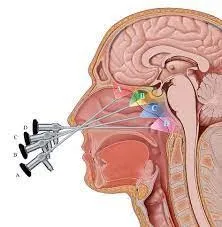
Skull base surgery treats a variety of ailments such as
Tumors and growths
➔Meningiomas: Tumors that develop from the membranes cover and protect the brain and spinal cord.
➔Pituitary tumors: Growths on the pituitary gland that may result in various hormonal issues.
➔Chordomas: A type of bone tumor that may grow in the skull base.
➔Acoustic neuromas: Benign tumors on the nerve that connects the to the brain.
➔Chondrosarcomas: Slow-growing tumors that are formed where bones in the skull base connect.
➔Cancers: Aggressive cancers in the ear canal or temporal bone, such as squamous cell carcinoma and basal cell carcinoma.
➔Other tumors: Tumors developed at the optic nerve, medial orbit, and adenocarcinoma.
Vascular conditions
➔Brain aneurysms: Bulges in blood vessels that require advanced treatment.
Infections and cysts
➔Infections: Growths caused by infections or cysts located in the skull base.
Structural and nerve issues
➔Cerebrospinal fluid (CSF) leaks: Leaks of the fluid that surrounds the brain and spinal cord.
➔Congenital defects: Birth defects of the skull base, such as platybasia or basilar impression.
➔Cranial nerve disorders: Conditions affecting the cranial nerves, such as trigeminal neuralgia or hemifacial spasm.
➔Skull fractures: Fractures that impact the neurological function of the skull base
Meet Our Doctor